Understanding the Benefits of Modern Metal Roofing
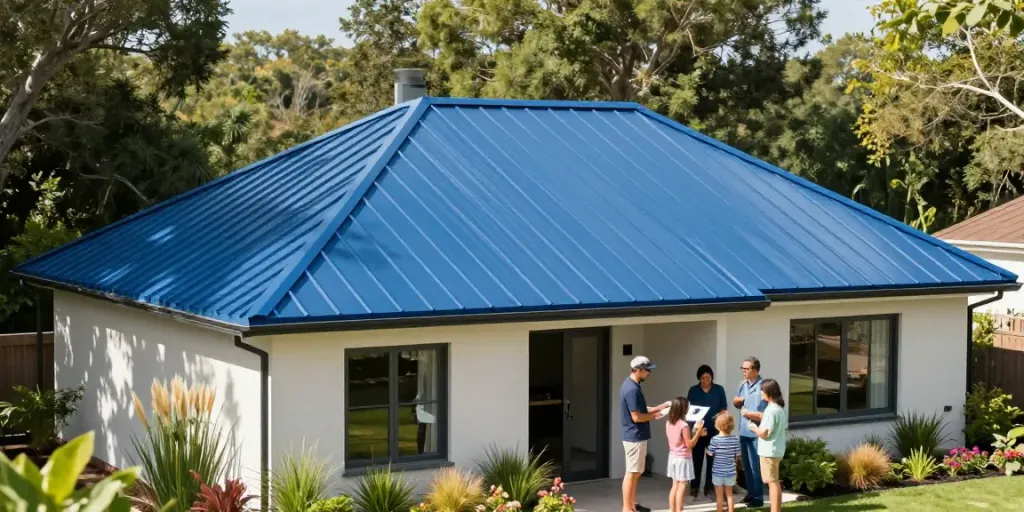
In recent years, Modern Metal Roofing has gained popularity among homeowners and commercial property owners alike. This trend reflects a shift towards sustainable building practices and aesthetic versatility in architecture. Standing seam metal roofs, in particular, are renowned for their durability, energy efficiency, and aesthetic appeal. They combine modern design with functionality, making them an excellent choice for anyone looking to invest in a long-lasting roofing solution.
Durability and Longevity of Metal Roofs
One of the key advantages that standing seam metal roofs offer is their unparalleled durability. Made from high-quality galvanized steel, these roofs can withstand extreme weather conditions, including heavy snow, strong winds, and scorching heat. Unlike traditional roofing materials, which may warp or deteriorate over time, metal roofs maintain their structural integrity, often lasting 50 years or more. The vertical panels of a standing seam roof interlock seamlessly, which not only enhances their aesthetic appeal but also reduces the risk of leaks, making them a smart choice for any climate.
Energy Efficiency Features of Modern Metal Roofing
In addition to their durability, modern metal roofs are highly energy efficient. Their reflective properties help to deflect solar radiant heat, which can significantly reduce cooling costs during the hot summer months. When properly insulated, these roofs also help retain heat during winter, contributing to a more comfortable living environment year-round. By investing in a standing seam metal roof, homeowners can enjoy lower energy bills while minimizing their environmental impact.
Aesthetic Appeal: Customization and Design Options
Modern metal roofing systems offer a wealth of aesthetic choices, making it easy for homeowners to find a design that complements their property's architecture. Available in a variety of colors and finishes, standing seam metal roofs can enhance curb appeal while providing functional benefits. Whether you're aiming for a sleek, contemporary look or a more traditional appearance, you can customize your roof to fit your vision. This versatility makes metal roofing a favorite among architects and builders alike.
Installation Process of Modern Metal Roofing
Understanding the installation process for modern metal roofing is crucial for ensuring a successful project. Whether you're considering a DIY approach or hiring professionals, being informed about the steps involved helps set realistic expectations for your roof project.
Preparing Your Home for a Metal Roof Installation
Before installation begins, it's important to prepare your home adequately. This may involve inspecting your current roof for any structural issues and ensuring that your home is ready to support the weight of a metal roof. Additionally, clearing the area of debris and ensuring easy access for the installation team can help streamline the process.
Choosing Professional Installers vs. DIY
While some homeowners may consider a DIY approach to save on labor costs, hiring professional installers often yields better results. Experienced contractors have the expertise and tools necessary to handle the intricacies involved in metal roofing installation, reducing the risk of potential mistakes. For most homeowners, investing in skilled labor results in a higher-quality roof and greater peace of mind.
Essential Tools and Materials Needed for Installation
For those who opt for a DIY installation, several essential tools and materials will be necessary. This includes safety gear, metal panels (preferably pre-cut to size), a standing seam metal roofing machine, and proper fasteners. It's essential to follow best practices and local building codes to ensure a safe and compliant installation.
Common Challenges with Modern Metal Roofing
While modern metal roofing offers numerous benefits, it is not without challenges. Addressing these potential pitfalls early on can save time and costs in the long run.
Addressing Installation Errors and Misconceptions
One of the most common misconceptions about metal roofs is that they are prone to rusting. While it's true that metal can corrode, modern finishes and coatings protect against rust and deterioration. Additionally, ensuring proper installation is crucial to prevent leaks and other issues down the line.
Weather Considerations: Managing Climate Impacts
Metal roofs perform exceptionally well in a variety of weather conditions, but it's important to consider local climate when selecting materials and installation techniques. In areas prone to heavy snow, for instance, proper snow retention systems should be installed to prevent potential sliding. Understanding the specific needs of your environment will enable you to make informed decisions about your roofing project.
Long-Term Maintenance and Care Requirements
While standing seam metal roofs are low-maintenance, they do require periodic inspections and maintenance to ensure longevity. Checking for rust buildup, ensuring proper drainage, and clearing debris from the roof’s surface can help extend its lifespan. A proactive maintenance plan is key to preserving the roof's integrity and aesthetics.
Cost and Value Analysis of Modern Metal Roofing
When considering modern metal roofing, understanding the financial implications is crucial for making an informed decision. While the initial investment may be higher than traditional roofing materials, the long-term savings often outweigh the costs.
Initial Investment vs. Long-Term Savings
The upfront cost of metal roofing, particularly standing seam systems, can be significant. However, this investment is often offset by their longevity and reduced maintenance costs. Homeowners can save on energy bills as metal roofs help maintain temperature regulation, further contributing to long-term savings.
Understanding Warranties and Insurance for Metal Roofs
Another factor to consider is the warranty coverage associated with modern metal roofing systems. Many manufacturers offer warranties ranging from 30 to 50 years, providing peace of mind for homeowners. Understanding your warranty's terms is essential for ensuring that your investment is protected.
Comparing Costs with Other Roofing Materials
When evaluating roofing materials, it's important to compare costs thoroughly. While asphalt shingles may be cheaper upfront, they often require more frequent replacements compared to metal roofs. This comparison highlights the value that modern metal roofs can bring, making them a competitive option for many homeowners.
Future Trends in Modern Metal Roofing for 2026 and Beyond
The roofing industry continually evolves, with emerging technologies and changing consumer preferences influencing trends. Understanding these trends can help homeowners and contractors stay ahead of the curve.
Emerging Technologies in Metal Roofing
Advancements in technology are transforming the metal roofing landscape. Innovations such as improved manufacturing processes, advanced coatings, and even integrated solar technology are revolutionizing how roofs are designed and installed. These developments not only enhance performance but also expand the aesthetic possibilities available in modern metal roofing.
Sustainable Practices in Modern Roofing Solutions
Sustainability is becoming a key focus in the construction industry, and metal roofing is no exception. Manufacturers are increasingly using recycled materials and eco-friendly production practices, making metal roofs a responsible choice for environmentally-conscious consumers.
Design Trends Influencing the Metal Roofing Market
In terms of design, there is a notable shift towards minimalist and modern aesthetics. Homeowners are embracing clean lines and bold colors, reflecting broader trends in architecture. As metal roofing continues to evolve, expect a rise in innovative designs that cater to individual tastes while maintaining functionality.
What are the newest types of metal roofs available?
Emerging types of metal roofs include corrugated metal styles that blend traditional and contemporary elements, offering a fresh take on classic designs. In addition, standing seam roofs can now be found in a wider variety of colors and finishes than ever before, allowing for more personalization.
How much does a 2000 sq ft metal roof cost?
The cost of installing a metal roof for a 2000 sq ft area can vary significantly based on factors such as materials, labor, and geographic location. On average, homeowners can expect to pay between $10,000 and $20,000 for a high-quality metal roofing installation.
What are the biggest problems with metal roofs?
Some common challenges associated with metal roofs include initial costs, potential noise during rainstorms, and the risk of denting from hail or falling debris. However, advancements in metal technology and construction techniques are helping mitigate these issues.
What are the roofing trends for 2026?
As we look towards 2026, expect to see a continued emphasis on sustainability, technological integration, and unique design elements within the metal roofing sector. Homeowners will increasingly seek roofs that not only perform well but also contribute positively to their property’s overall aesthetics.
How do you maintain a metal roof?
Maintaining a metal roof involves regular inspections and cleaning to prevent rust and ensure that drainage systems remain unobstructed. A proactive maintenance schedule will help keep the roof in top condition, extending its lifespan significantly.