Understanding PTSD: A Guide for Veterans
Post-Traumatic Stress Disorder (PTSD) is a mental health condition that can significantly affect the lives of veterans. It often stems from their experiences in combat or other traumatic situations. Awareness and understanding of PTSD are crucial for veterans seeking help. The symptoms can range from flashbacks to severe anxiety and emotional numbness, affecting their daily lives and relationships. Knowledge about PTSD can pave the way for effective treatments and support systems, which are essential for recovery. When exploring options, PTSD treatment for veterans offers comprehensive insights into the pathways available for healing.
What is PTSD and its Symptoms?
PTSD is characterized by various symptoms that can emerge after experiencing or witnessing a traumatic event. Common symptoms include:
- Intrusive thoughts: Recurrent, unwanted thoughts about the traumatic event.
- Avoidance: Avoiding places, people, or activities that remind them of the trauma.
- Negative changes in mood: Feelings of hopelessness, detachment from others, or difficulty experiencing emotions.
- Heightened arousal: Increased anxiety, trouble sleeping, irritability, or excessive alertness.
Understanding these symptoms is the first step in addressing and treating PTSD effectively.
How PTSD Impacts Veterans’ Lives
The impact of PTSD on veterans can be profound. Many find it challenging to reintegrate into civilian life after deployment. This struggle often manifests in personal relationships, job performance, and overall mental health. Veterans may experience increased isolation due to their inability to share their feelings or experiences. Additionally, PTSD is often comorbid with other mental health issues, such as depression or substance abuse, further complicating their recovery journey.
Common Misconceptions About PTSD Treatment
Despite advancements in understanding and treating PTSD, misconceptions persist. Many believe that medication is the only solution, while others think therapy isn’t effective. In reality, a combination of therapy and medication, tailored to individual needs, often yields the best outcomes. Furthermore, the recovery process is not linear; veterans must be supported through setbacks as well as successes.
Effective Treatments for PTSD in Veterans
Identifying the right treatment for PTSD is crucial for veterans. It can significantly improve their quality of life and help them cope with their conditions. Multiple treatment options exist, including psychotherapy, medication, and holistic approaches.
Psychotherapy Options: The First Line of Defense
Psychotherapy, often referred to as talk therapy, remains the most effective treatment for PTSD. Various approaches, such as:
- Cognitive Behavioral Therapy (CBT): Focuses on changing negative thought patterns and behaviors associated with trauma.
- Prolonged Exposure Therapy: Involves gradual exposure to trauma-related memories and situations to help reduce distress.
- Eye Movement Desensitization and Reprocessing (EMDR): Combines elements of cognitive therapy with bilateral stimulation to process traumatic memories.
These therapies can be tailored to meet the specific needs of veterans, ensuring they receive personalized care.
Medications: Types and Their Efficacy
Pharmacotherapy can play a supportive role in managing PTSD symptoms, especially when combined with psychotherapy. The most commonly prescribed medication types include:
- Selective Serotonin Reuptake Inhibitors (SSRIs): Such as sertraline and paroxetine, are often the first line of treatment.
- Serotonin and Norepinephrine Reuptake Inhibitors (SNRIs): These medications may help alleviate depression and anxiety symptoms associated with PTSD.
- Antipsychotics: Sometimes used for severe symptoms when other treatments fail to provide relief.
Veterans should consult with healthcare professionals to find the most suitable medication for their needs.
Holistic and Alternative Therapies
In addition to traditional treatments, many veterans are finding relief through holistic therapies. These can include:
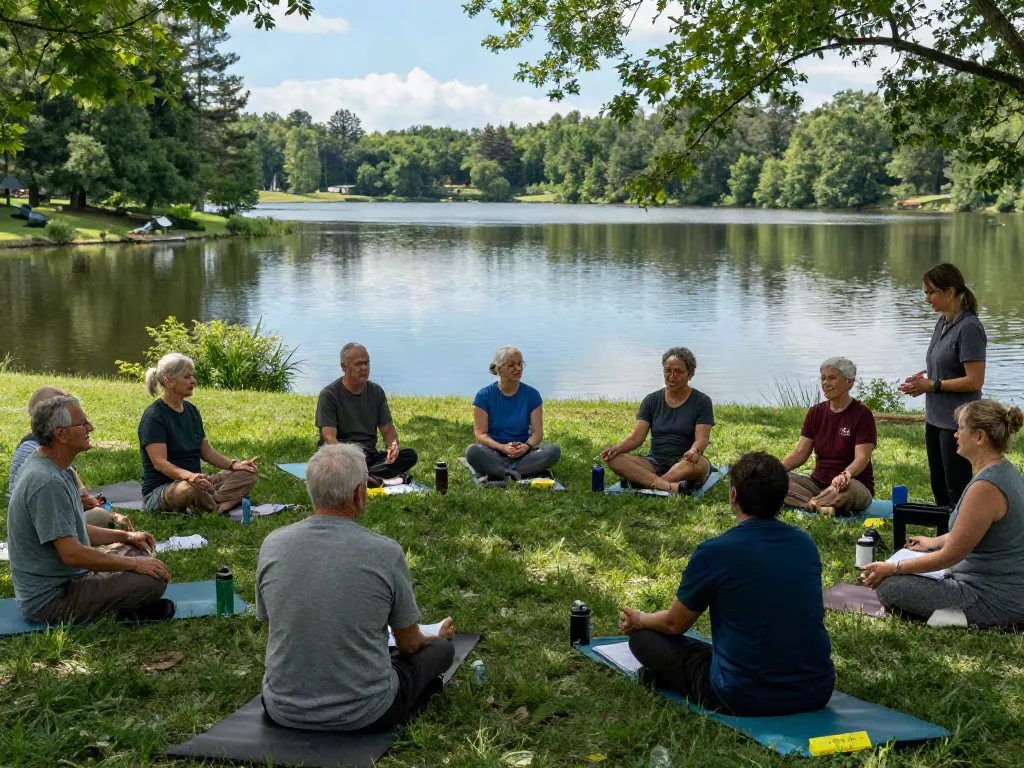
- Mindfulness and Meditation: Techniques that promote relaxation and emotional balance.
- Yoga and Physical Exercise: Known to reduce stress and promote mental well-being.
- Art and Music Therapy: Creative outlets that facilitate emotional expression.
These therapies emphasize the importance of treating the whole person, addressing both psychological and physical health.
Navigating Resources for PTSD Support
Accessing the right resources is vital for veterans seeking treatment for PTSD. Understanding what support is available can facilitate a smoother recovery process.
Veterans Affairs: Understanding Your Benefits
The U.S. Department of Veterans Affairs (VA) offers various programs specifically designed to support veterans with PTSD. These resources include accessing licensed mental health providers, specialized treatment programs, and educational materials. Veterans should familiarize themselves with their benefits to make the most of the available services.
Community Resources and Support Groups
Support groups play a crucial role in recovery, providing veterans with a sense of community and understanding. Organizations such as the Wounded Warrior Project and the DAV (Disabled American Veterans) offer peer support and counseling services. Participating in these groups can help reduce feelings of isolation and encourage healing through shared experiences.
Online Tools and Apps for PTSD Management
In our digital age, many veterans find relief through online platforms and mobile applications designed for mental health management. These tools often include:
- Mental health apps: Offering mindfulness exercises, journaling prompts, and coping strategies.
- Teletherapy services: Allowing veterans to access professional help without the need for in-person visits.
- Online forums: Providing a space for veterans to connect and share their experiences and coping strategies.
Harnessing technology can enhance the support network available to those affected by PTSD.
Overcoming Barriers to Treatment
Despite the multitude of available resources, many veterans face obstacles in seeking treatment for PTSD. Understanding these barriers is essential for creating effective solutions.
Stigma and Mental Health Misunderstandings
Stigma surrounding mental health issues continues to be a significant barrier for many veterans. The fear of judgment may deter individuals from seeking help, leading to severe consequences. Educational initiatives targeting this stigma are critical in empowering veterans to pursue the care they need.
Accessing Care: What You Need to Know
Navigating the healthcare system can be daunting for veterans. Understanding eligibility requirements, available resources, and the steps necessary to initiate care can ease the process. Veterans are encouraged to reach out to service organizations for assistance in navigating this landscape.
Building Support Systems Among Peers
Establishing a strong support system is vital for recovery. Veterans should consider connecting with fellow veterans who can share experiences and strategies for coping with PTSD. This network can include friends, family members, and professionals who understand the challenges of transitioning from military to civilian life.
Future Trends in PTSD Treatment for Veterans
The landscape of PTSD treatment is continually evolving, with innovative approaches emerging to improve veterans' care. Staying informed about these trends can help veterans make educated decisions about their treatment plans.
Innovative Therapeutic Approaches for 2026
Emerging therapies, such as virtual reality exposure therapy, are gaining traction in treating PTSD. These methods allow veterans to confront their fears in a controlled and safe environment, facilitating desensitization to traumatic memories.
Technology's Role in Mental Health Treatment
As technology continues to advance, its integration into mental health treatment is expected to grow. Online therapy options, AI-driven mental health diagnostics, and personalized treatment plans based on data analytics are set to revolutionize how veterans receive care.
Research and Development in PTSD Therapies
Ongoing research is critical in identifying effective treatment protocols for PTSD. Studies focusing on the biological underpinnings of PTSD, along with exploring new therapeutic modalities, are essential for developing more effective treatment options for veterans in the future.
What is the best treatment for PTSD in veterans?
The best treatment for veterans with PTSD often includes a combination of psychotherapy and medication, tailored to the individual’s needs.
What resources are available for spouses of veterans with PTSD?
Spouses of veterans with PTSD can access support through organizations such as the VA, which offers counseling services, educational programs, and support groups designed to help them cope with the challenges of their loved ones' conditions.
What are the treatment options for PTSD?
Treatment options for PTSD include various forms of psychotherapy, medications, and holistic approaches, with individualized plans that cater to specific needs and preferences.
What medication does the VA give for PTSD?
The VA typically prescribes SSRIs or SNRIs for managing PTSD symptoms, along with other medications as necessary to address co-occurring conditions.
How can veterans access peer support groups?
Veterans can access peer support groups through local VAs, community organizations, and online platforms that cater specifically to veteran mental health issues.