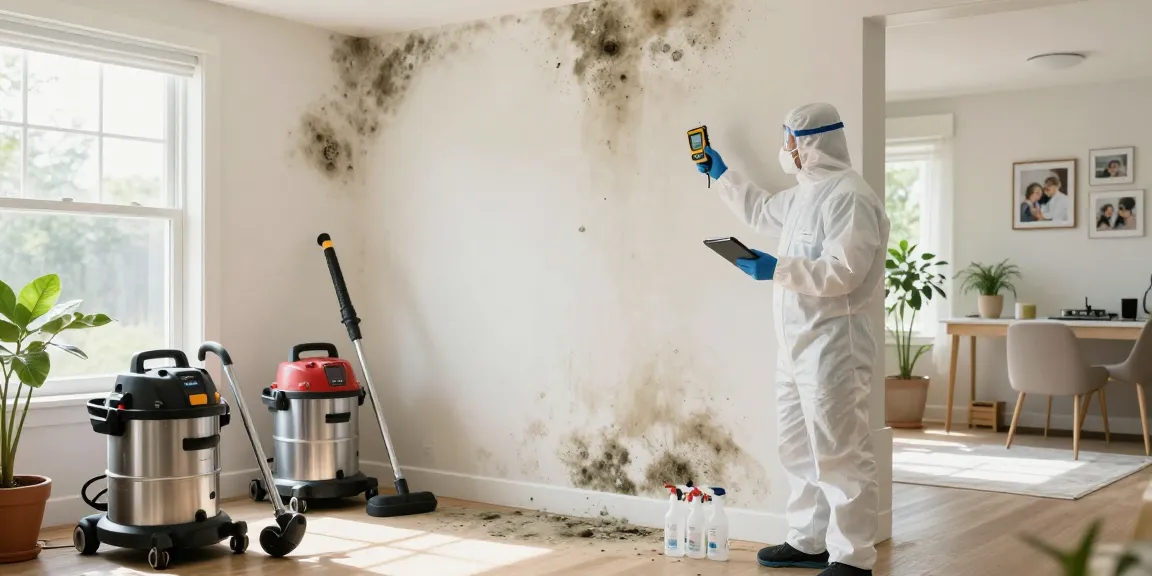
The Importance of Mold Remediation in Vancouver
In the humid climate of Vancouver, mold growth is more than just an unsightly issue; it poses serious health risks and potential structural damage to homes and businesses. With its temperate coastal climate, the Greater Vancouver area is particularly susceptible to mold due to the combination of high moisture levels and older buildings that may not be equipped to handle such climates. The key to maintaining a safe and healthy living environment lies in effective mold remediation practices. When exploring options, Mold Remediation Vancouver provides comprehensive insights into the necessary steps for safe and effective mold removal.
Why Mold Remediation is Crucial for Home Safety?
Mold remediation is essential for ensuring the safety of your home. Unaddressed mold can compromise indoor air quality, leading to a myriad of health concerns for residents. Not only does it create a poor living environment, but it can also lead to costly repairs if the structural integrity of a property is compromised. Remediation involves thorough inspections and corrective actions to remove mold and prevent its return, ensuring a safe haven for you and your family.
Common Health Risks Associated with Mold
Mold exposure can result in various health problems, particularly for individuals with respiratory conditions, allergies, or weakened immune systems. Common health risks include:
- Allergic reactions: Sneezing, runny or stuffy nose, cough, and skin irritation.
- Respiratory issues: Wheezing, asthma attacks, and chronic respiratory illnesses.
- Infections: Particularly in immunocompromised individuals.
- Neurological effects: Some mold species produce mycotoxins that can affect cognitive functions.
Understanding these health risks is critical in motivating timely mold remediation in your property.
Impact of Vancouver’s Climate on Mold Growth
The coastal climate of Vancouver is characterized by mild, wet winters and relatively dry summers, creating ideal conditions for mold growth. The persistent moisture often seeps into homes through various entry points. Factors contributing to mold proliferation include:
- High humidity levels: Persistent humidity provides an ideal environment for mold spores to thrive.
- Older buildings: Outdated construction methods may not adequately prevent moisture intrusion.
- Leaky roofs or plumbing: Water leaks create a direct pathway for mold growth in hidden areas.
As a result, homeowners must remain vigilant and proactive in addressing moisture issues before they escalate into full-blown mold infestations.
Understanding the Mold Remediation Process
Step-by-Step Breakdown of Mold Remediation
The mold remediation process consists of several critical steps designed to ensure that the mold is not only removed but also prevented from returning. Here’s an overview:
- Inspection and Assessment: A thorough inspection is conducted to identify mold presence and determine the extent of contamination.
- Containment: To prevent further spread of mold spores, affected areas are isolated using physical barriers and negative air pressure systems.
- Filtration: HEPA filters are used to remove airborne spores and other particulates, maintaining air quality during the remediation process.
- Removal: Contaminated materials, such as drywall or carpeting, may be removed if they cannot be cleaned or restored.
- Cleaning and Sanitizing: Remaining surfaces are treated with antimicrobial solutions to eliminate residual mold and prevent regrowth.
- Restoration: The affected areas are repaired and restored to their original condition, if necessary.
Key Techniques: Containment, Removal, and Restoration
Effective containment is essential in mold remediation. By isolating the affected areas, remediation professionals can limit the spread of mold spores during the cleanup process. Removal includes both visible mold and any materials that are too contaminated to restore. Finally, restoration involves repairing any damage caused, which may include replacing drywall or repainting surfaces.
Utilizing HEPA Filtration and Antimicrobial Treatments
HEPA filtration systems are crucial during the remediation process, as they capture 99.97% of particles that are 0.3 microns or larger, including mold spores. Alongside this, antimicrobial treatments are applied to surfaces to destroy remaining mold spores and inhibit future growth, ensuring comprehensive remediation.
Signs You Need Mold Remediation in Your Home
Identifying Visual Indicators of Mold Growth
Being aware of the visual signs of mold growth is essential for early intervention. Look for:
- Black or green spots on walls, ceilings, or floors.
- Peeling or bubbling paint and wallpaper.
- Water stains on walls or ceilings.
- Mold growth in corners, around windows, or in damp areas.
Understanding the Musty Odor Connection
A persistent musty smell can indicate hidden mold growth. This odor often suggests that mold is present in areas that are not immediately visible, such as behind walls or under flooring. If you detect this odor, it’s time to schedule an inspection.
When to Call a Professional for Inspection
Professionals should be consulted when you notice:
- Visible mold growth that covers more than 10 square feet.
- Mold presence in multiple areas of your home.
- A strong musty smell without visible signs of mold.
- Health issues that worsen in specific areas of your home.
Addressing these issues promptly can mitigate health risks and prevent extensive damage.
Cost Factors for Mold Remediation in Vancouver
What Influences Mold Remediation Pricing?
Several factors influence the cost of mold remediation services. These include:
- Extent of mold infestation: Larger or more severe infestations will incur higher costs.
- Accessibility of affected areas: Difficult-to-reach locations may require more labor, increasing the overall cost.
- Type of materials affected: The cost of restoring or replacing contaminated materials can vary significantly.
- Additional services required: Extra measures, such as air quality testing or moisture control, can add to the overall price.
Insurance Coverage for Mold Remediation Services
Homeowners should check their insurance policies to see if mold remediation is covered. Many policies cover mold damage if it results from a covered peril, such as water damage from a burst pipe. However, policies vary, and it’s essential to understand your coverage before a mold issue arises.
Cost Comparison: DIY vs. Professional Services
While DIY mold removal can be tempting, it often lacks the thoroughness and expertise offered by professionals. Hiring certified professionals ensures that mold is identified, treated, and prevented effectively. Although DIY methods may appear cheaper initially, they can ultimately lead to higher costs if mold recurs or spreads due to improper removal.
Preventing Future Mold Growth in Vancouver Homes
Best Practices for Mold Prevention
To minimize the risk of mold growth, homeowners should consider the following best practices:
- Maintain indoor humidity levels between 30-50%.
- Promptly address leaks and water damage.
- Ensure adequate ventilation in bathrooms, kitchens, and attics.
- Use mold-resistant products during construction and renovation.
Moisture Control Techniques for Vancouver’s Climate
Controlling moisture is vital, especially in Vancouver’s wet climate. Here are some effective techniques:
- Install dehumidifiers in damp areas.
- Ensure proper drainage around your home to redirect water away from the foundation.
- Regularly inspect and maintain your roof, gutters, and downspouts.
- Use exhaust fans in high-moisture areas like kitchens and bathrooms.
Long-Term Maintenance Tips for Homeowners
Long-term maintenance involves routine checks for signs of moisture and mold, investing in regular inspections, and staying vigilant in monitoring high-risk areas such as basements and attics. Investing in maintenance can save homeowners from more significant costs down the line.
What Are the Common Misconceptions about Mold Remediation?
Several misconceptions about mold remediation exist, including:
- All mold can be removed entirely: While remediation can significantly reduce mold presence, it’s impossible to remove all mold spores from the environment.
- Mold does not pose health risks: Many types of mold can lead to health issues, especially for sensitive individuals.
- Once mold is removed, it won’t come back: Without addressing the underlying cause of moisture, mold is likely to return.
How to Choose the Right Mold Remediation Service?
Choosing the right service is critical. Look for companies with:
- Certifications and qualifications (IICRC, VRCA, etc.).
- Positive customer reviews and testimonials.
- A comprehensive approach to remediation, including inspection, containment, and restoration.
- Transparent pricing and clear service agreements.
Is DIY Mold Removal Effective?
While some mold can be cleaned using DIY methods, many cases require professional intervention, particularly for larger infestations or hidden mold. DIY methods may also pose health risks without proper protective equipment and containment measures.